
In the sections that follow you will find practical advice on when to visit, how to move around with ease, which landmarks deserve time on your list, dining suggestions for different budgets, and options for memorable day trips. Real world tips, example daily plans, and transport strategies give you the confidence to turn a wish list into a real trip.
Sydney Your Dream Trip Awaits Why this city should top your list
Sydney blends the urban and the natural in a way few cities do. The skyline meets the sea in a series of harbors and beaches that invite outdoor activity. At the same time you will find arts venues, festivals, and a lively food scene. If you want a mix of relaxation and activity you can stroll through leafy parks in the morning and be at an acclaimed restaurant by evening.
The city also has a strong network of public transport and many neighborhoods are compact enough to explore on foot. Travelers value that flexibility. You can arrange a slow paced stay with a beach base or a fast paced few days downtown. Both approaches yield memorable experiences.
Best times to visit and seasonal highlights
Sydney has a temperate climate so many months work well. Summers are warm and lively with outdoor dining and longer daylight hours. Spring brings flowers and milder temperatures which are ideal for walking tours. Autumn offers pleasant weather and fewer crowds while winter is cooler but still mild compared with many northern destinations.
- Summer months offer festivals, outdoor concerts, and beach culture. Expect higher prices and more visitors.
- Spring months give comfortable temperatures for hikes and botanical gardens with peak floral displays.
- Autumn months reduce crowd levels while retaining warm days ideal for harbor cruises.
- Winter months are best for bargain travel and cultural events indoors.
Plan around specific events you want to attend. If you prefer quieter museums and galleries choose shoulder seasons. If you want the beach energy and rooftop bars pick summer and book ahead.
Getting to and getting around Sydney with practical transport advice
Sydney Airport is the main international gateway with excellent connections from North America, Europe, and Asia. Domestic connections are frequent if you plan to include other Australian destinations. Once in the city you will find a mix of ferries, trains, light rail, buses, and rideshares that cover most needs.
For planning and local insight you can consult a focused guide such as Sydney travel planning which lays out routes and timing for different neighborhoods. Use an Opal card or contactless payment for easy access to public transport. Ferries are not only a mode of transport they are part of the sightseeing experience with routes that cross scenic stretches of the harbor.
- Trains are fast for longer distances across the metropolitan area and to major suburbs.
- Ferries provide scenic access and connect downtown with waterside neighborhoods.
- Light rail and buses fill in gaps and reach cultural precincts not directly connected by ferry.
- Rideshares work well late at night or when you have luggage, though traffic can slow trips at peak times.
Time your travel so that peak hour congestion does not eat into sightseeing. If you want to maximize daytime hours take an early ferry or train to coastal neighborhoods. For a relaxed evening plan to return before the busiest late night windows.
Iconic landmarks and how to make the most of them
Seeing the iconic sites is a must, but how you approach them makes a big difference. Spread visits across days to avoid crowd fatigue. Pair a landmark with a nearby neighborhood meal to create a smoother day.
Opera House tips for a memorable visit
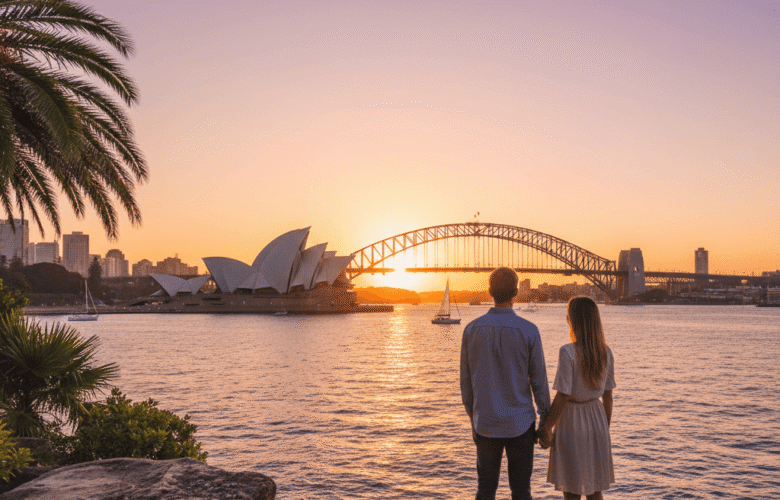
Book a guided tour if you want backstage stories and architectural context. Otherwise arrive early for pleasant light on the sails and fewer tour groups. For photographs the foreshore walkway offers several vantage points. If your timing allows attend an evening performance to experience the building as locals do.
Harbour Bridge tips for views and safety
Walking across the bridge is free and gives dramatic harbor views. If you prefer an elevated perspective consider a bridge climb which is guided and includes safety gear. For sunset photo opportunities head to the northern foreshore parks for unobstructed views.
Sample itineraries for different trip lengths
Below are practical day by day outlines you can adapt to personal interests. Each option balances activity with downtime.
- 48 hour trip Suggest an early morning walk at the Royal Botanic Garden then a mid morning visit to the Opera House. Lunch at a harborside café then an afternoon ferry to Manly. Evening at a rooftop bar with harbor views.
- 4 day trip Day one as above. Day two explore the eastern beaches with a coastal walk ending at Bondi. Day three visit the Blue Mountains for trails and lookouts. Day four dine in Surry Hills and enjoy local shops and galleries.
- 7 day trip Combine city highlights with two day trips. Add a coastal road drive south for beaches and wineries and a northern route for national parks and secluded coves. Include extra time for unhurried meals and a harbour cruise.
Adjust pacing depending on whether you prefer activity heavy days or a more relaxed visit. Reserve popular attractions and performances ahead to avoid disappointment.
Food neighborhoods and dining tips for every palate
Sydney’s dining scene is diverse from gourmet restaurants to casual fish and chip shops. Each neighborhood has its own character and culinary strengths. Inner city suburbs feature modern Australian menus while multicultural districts highlight specific regional cuisines.
- Barangaroo and Circular Quay offer waterside dining with a range of menus and price points.
- Surry Hills is known for brunch spots, specialty coffee, and intimate restaurants.
- Chinatown and Haymarket showcase Asian street food and late night options.
- Newtown offers vibrant vegetarian and eclectic dining with independent cafes and bars.
Dining tips Save space for a dessert after an evening meal in a busy precinct. If you want a coastal meal seek seafood at harborside restaurants. For value driven choices try local markets and food halls which offer quality at lower cost.
Day trips and coastal escapes to extend your stay
Sydney serves as a base for some of Australia’s most scenic short trips. Options range from national parks to coastal drives and wine regions. Each choice offers a different flavor of the surrounding area and can be fit into a half day or a full day easily.
- Blue Mountains are a two hour trip and deliver cliffs, waterfalls, and easy walking tracks.
- Hunter Valley is perfect for wine tasting and a slower day outside the city.
- Royal National Park and coastal trails provide dramatic sea cliffs and secluded beaches.
- The southern or northern coastal drives offer small towns, lighthouses, and seafood stops.
Booking a guided day trip can remove logistics stress if you prefer not to drive. If you rent a car pick a route that allows stops for local produce and short hikes for the best returns on travel time.
Budgeting tips and where to splurge
Sydney has options for tight budgets and for splurges. Public transport, markets, and neighborhood eateries help control costs. At the same time there are unique experiences worth spending on if you want lasting memories.
- Save on accommodation by staying in inner suburbs that are a short train ride from the city center.
- Use public ferries for scenic travel that doubles as sightseeing for less cost than private cruises.
- Splurge on a special dinner, a performance at a major venue, or a guided nature experience such as a coastal walk with a local guide.
- Plan your splurges around fewer nights so you can maintain an overall reasonable budget.
Travel insurance and a small contingency fund are practical protections. For daily spending carry a payment card and a small amount of cash for markets and independent vendors.
Conclusion that summarises and encourages action
Sydney offers a rich mix of water views, vibrant neighborhoods, and outdoor options that fit many travel styles. Use the seasonal advice to pick the best timing for your priorities. Rely on local transport to move efficiently and reserve special experiences ahead. When planning, think about how you want to balance iconic sights with neighborhood discoveries and day trips to natural areas. Small choices such as which neighborhood to base yourself in and whether to include a day trip can shape the tone of your visit. Start by listing the three things you most want to do and build two backup activities to fill your days naturally. That makes itineraries flexible and enjoyable.
If this overview has given you useful ideas take the next step and map a tentative week that includes at least one paid experience and two free pursuits. Early booking for popular performances and guided activities will make a big difference during busy months. Now is a great time to plan and reserve key items so your trip unfolds smoothly. Make a decision on travel dates, block your top accommodation choices, and book a couple of high priority experiences. With those elements in place you will be ready to enjoy Sydney to the fullest. Get started today and shape a trip that matches your pace and interests.